
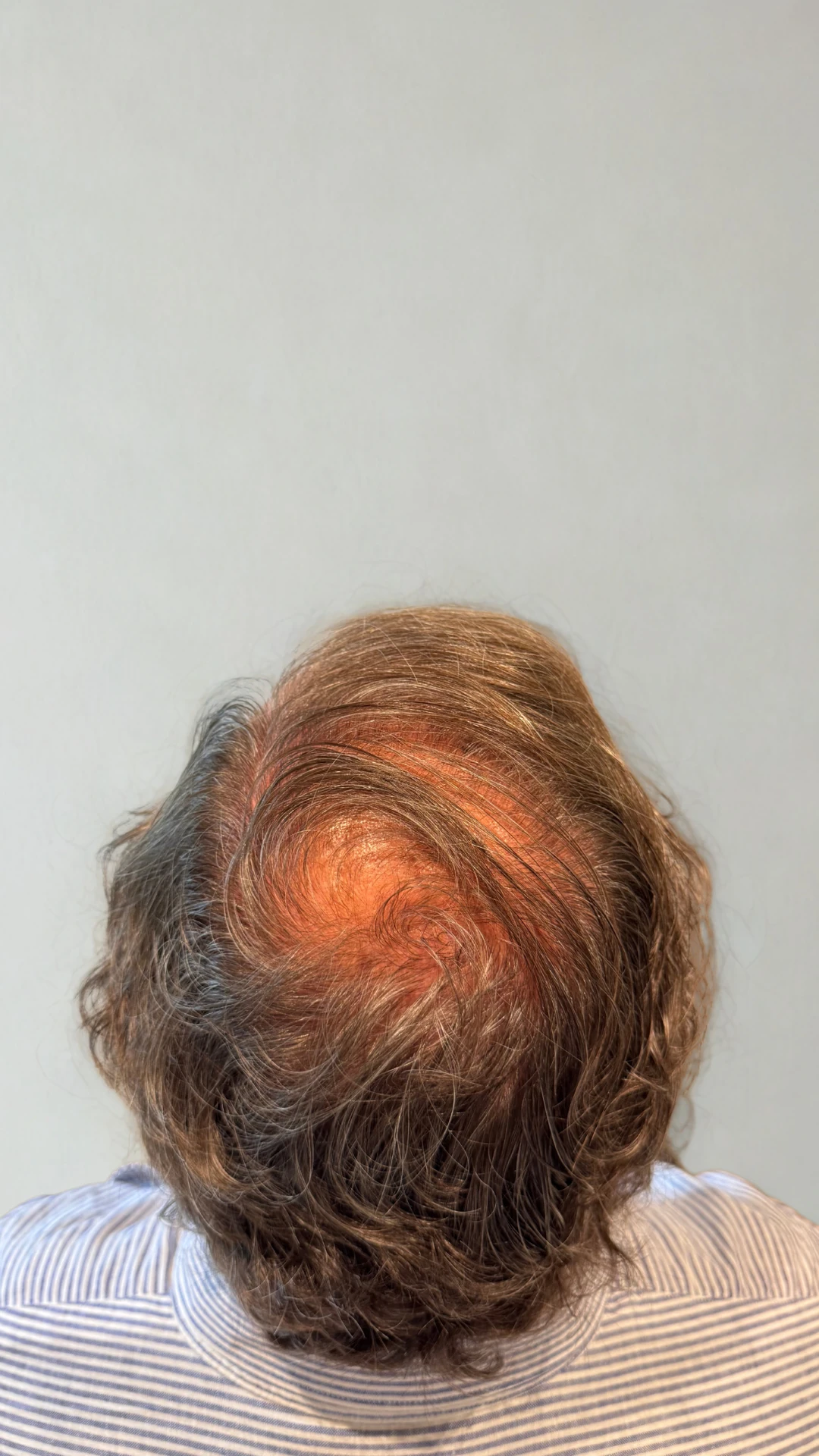
Density effect
For existing hair with areas where the scalp has become more visible. The aim is to visually reduce contrast and create the appearance of greater density.
Density micropigmentation →CapilArt BCN · Barcelona
Natural results for men and women. Scalp micropigmentation designed to visually reduce scalp contrast, recreate the appearance of hair follicles and improve integration in areas with lower density.
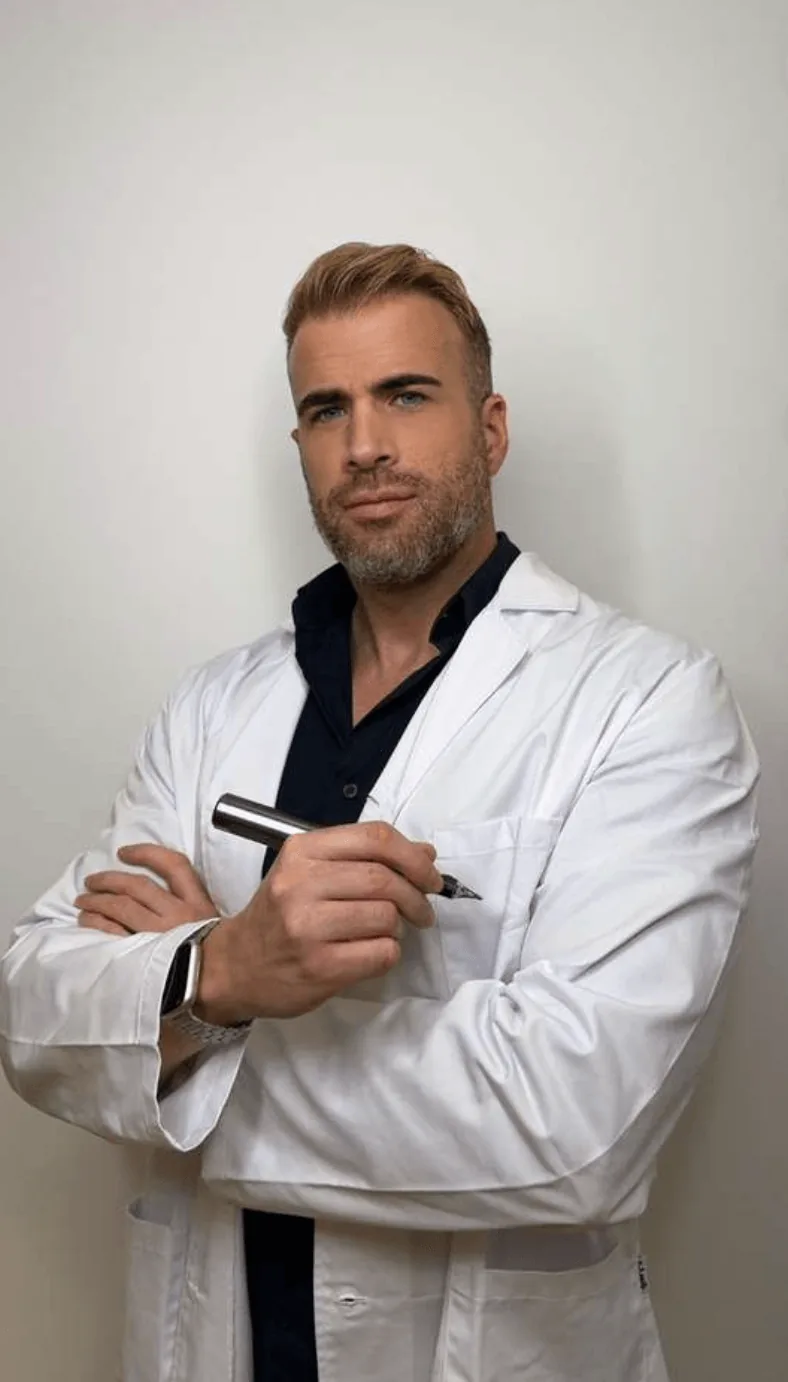
Who is behind CapilArt BCN
CapilArt BCN specialises in scalp micropigmentation for men and women in Barcelona and the surrounding area. Every treatment is personally carried out by Edgar, a scalp micropigmentation specialist and founder of CapilArt BCN.
The treatment is tailored to each case and can include a density effect, shaved effect, crown, female hairline, scars and donor area, as well as visual reinforcement in selected cases after a hair transplant.
Discover Edgar's approach →Solutions
Not every case is treated in the same way. Technique, intensity and dot distribution must be adapted to the existing hair, skin tone and desired result.
For existing hair with areas where the scalp has become more visible. The aim is to visually reduce contrast and create the appearance of greater density.
Density micropigmentation →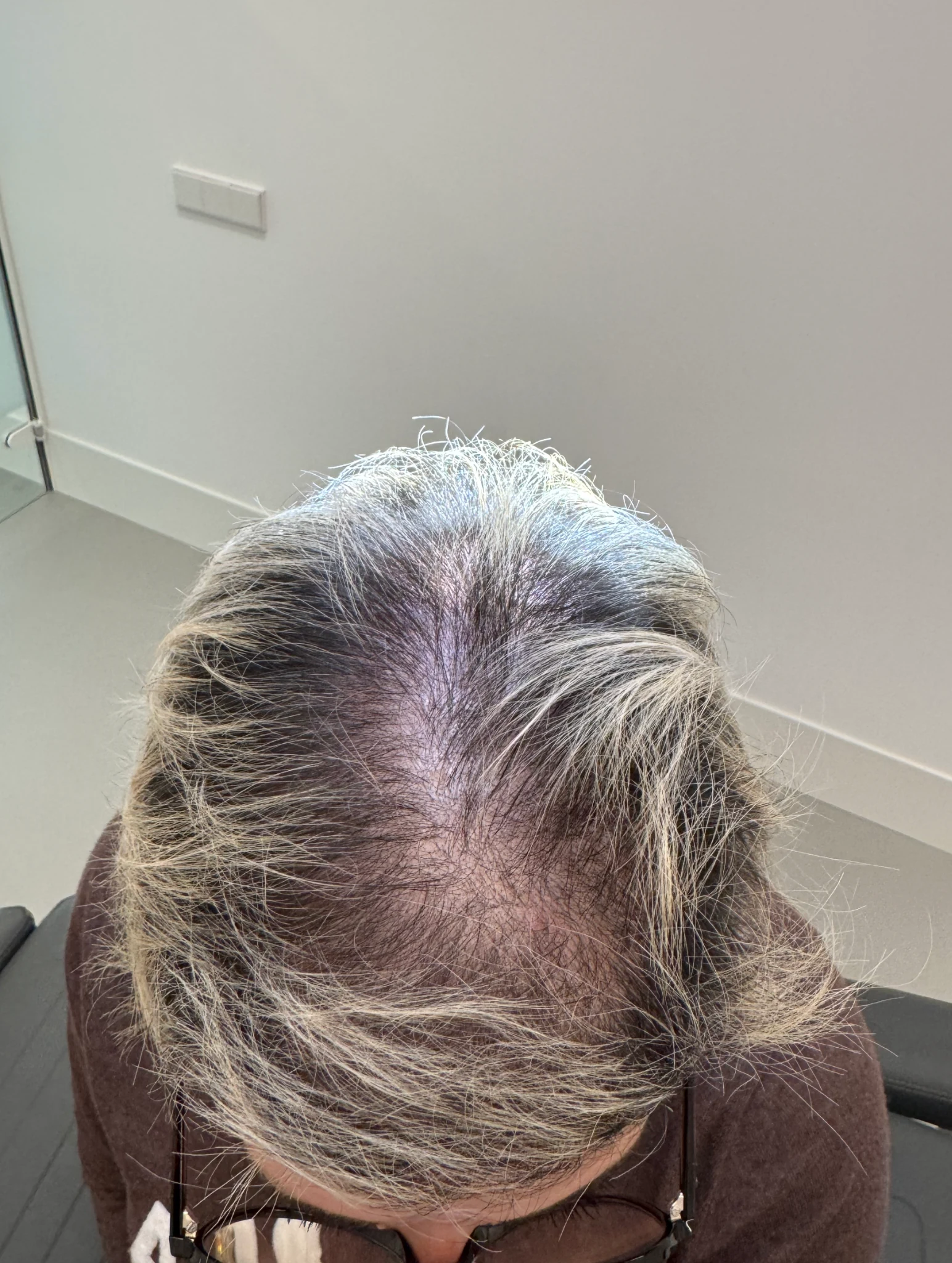
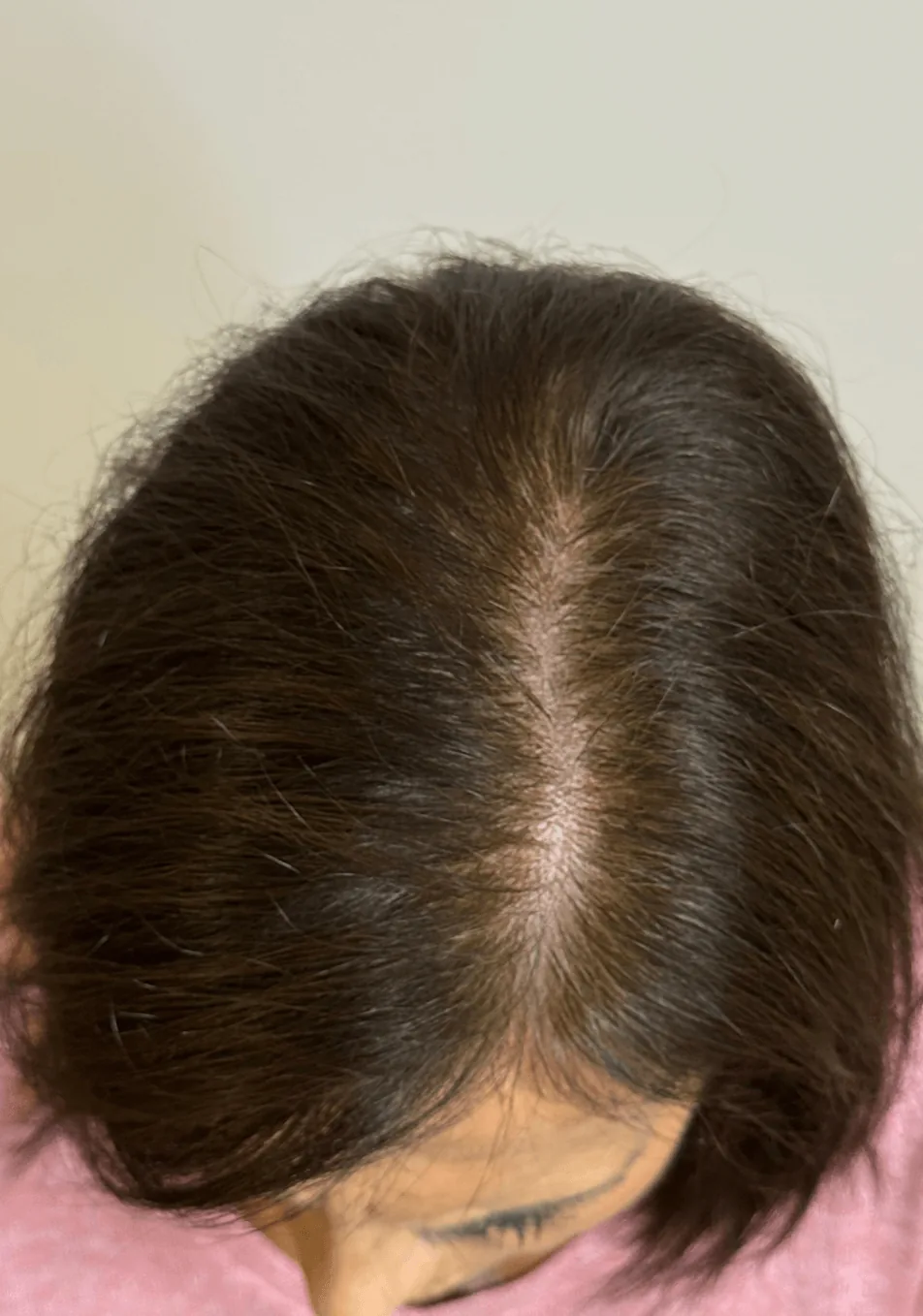
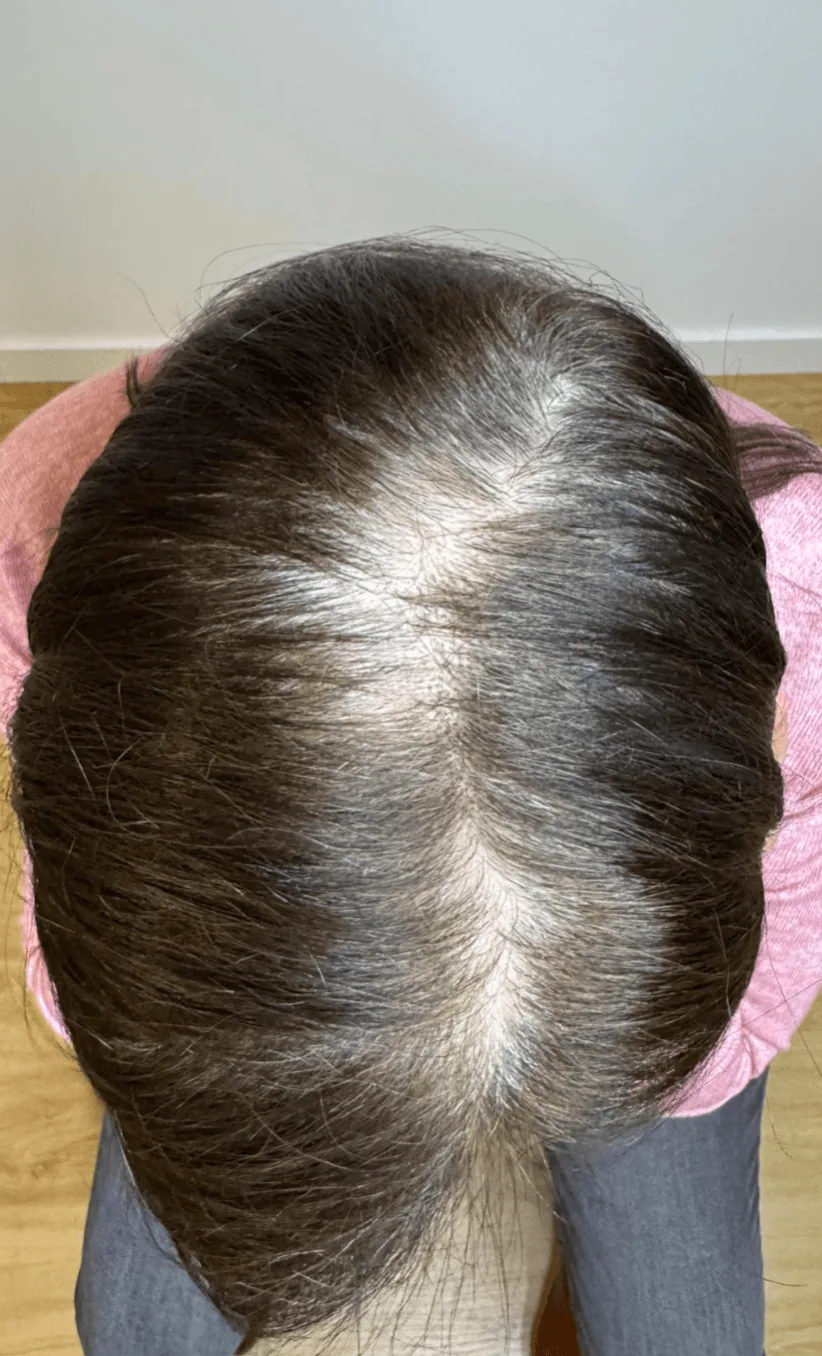
In selected cases of diffuse hair loss or reduced density, treatment is carried out between existing hairs to achieve integration, uniformity and discretion without the need for a shaved effect.
Female scalp micropigmentation →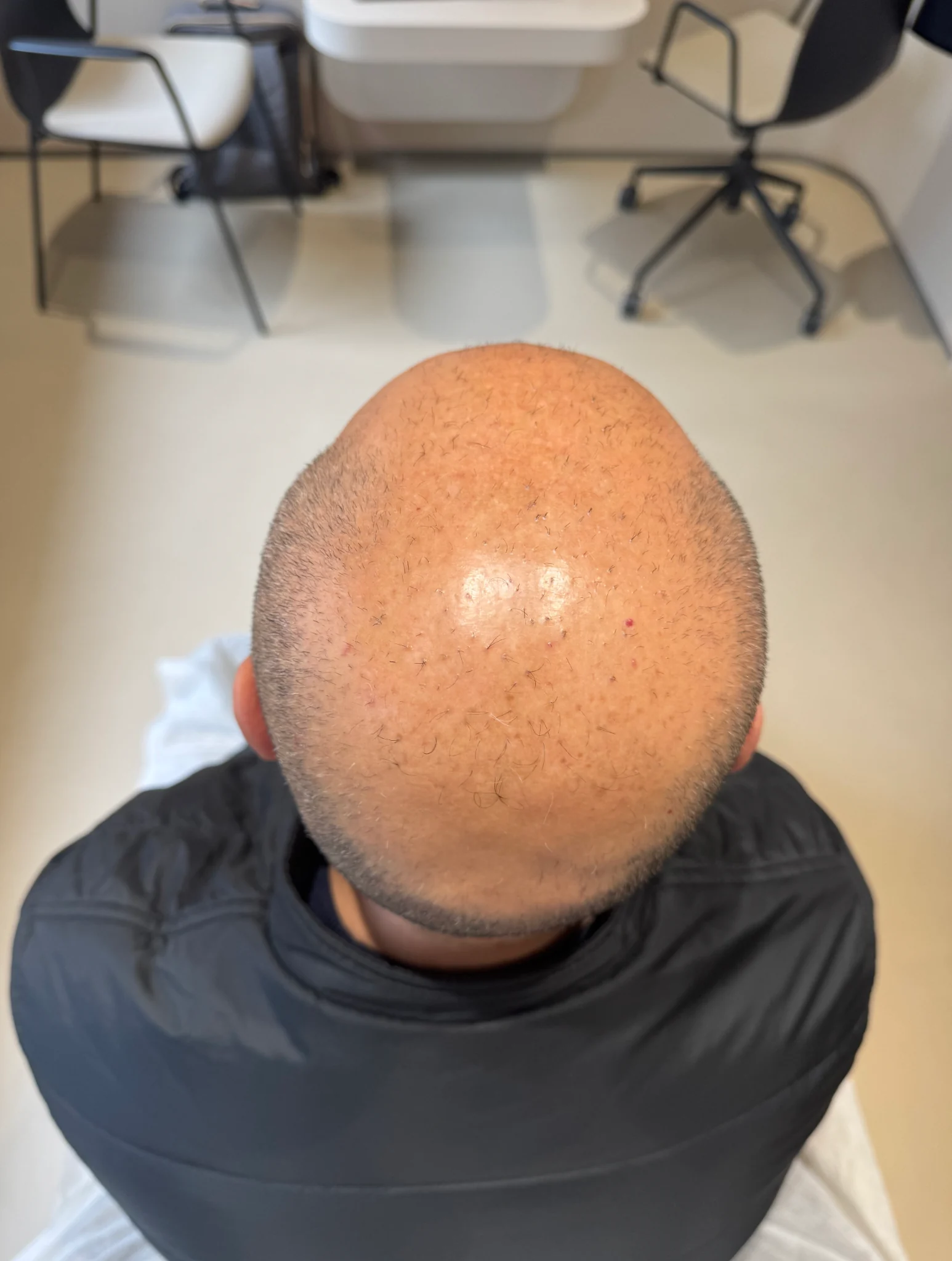
Visual recreation of hair follicles to achieve the appearance of very short hair and an integrated hairline.
Shaved effect →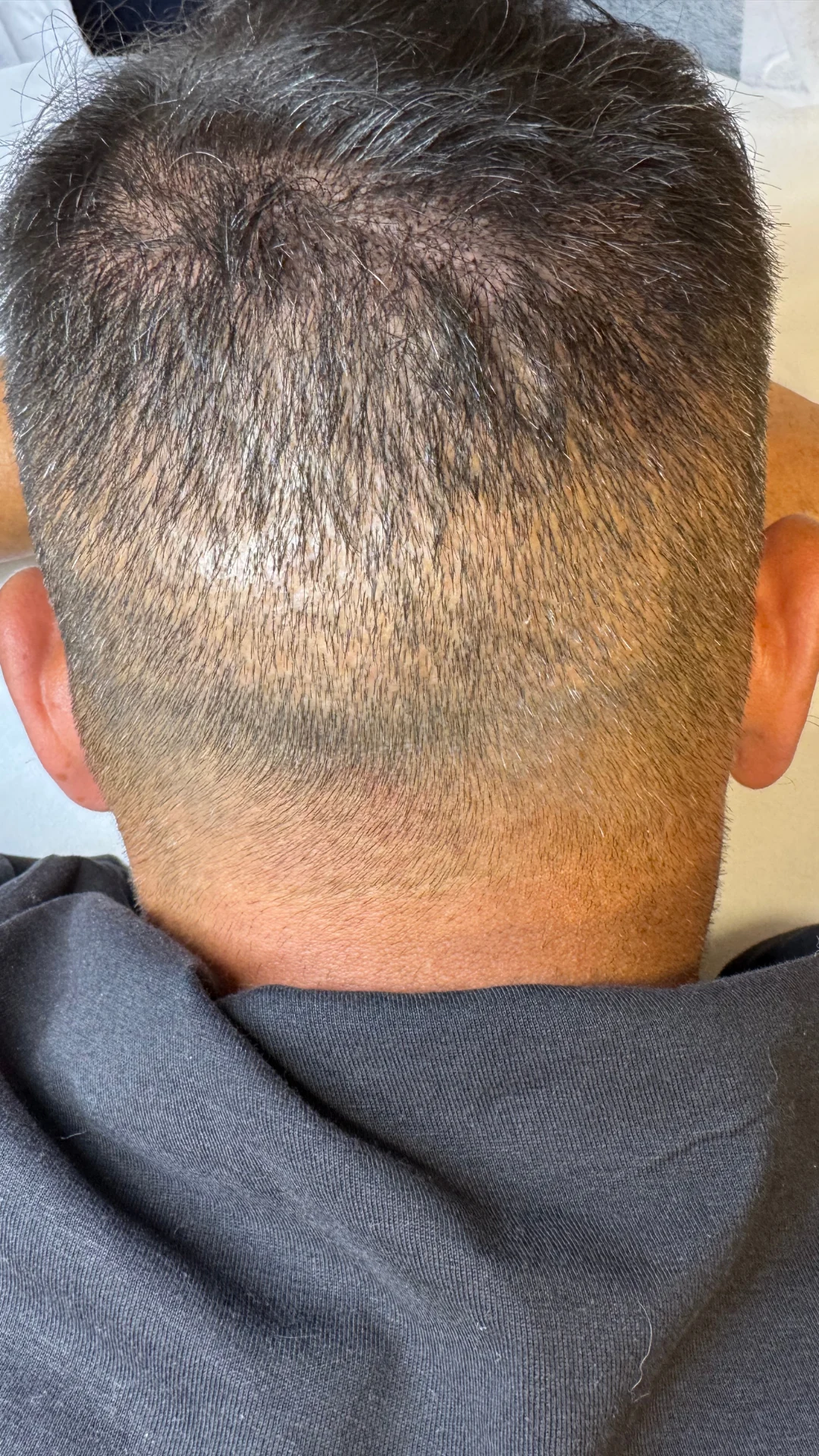
Optical camouflage of scars or visible contrast associated with previous hair procedures.
Scars →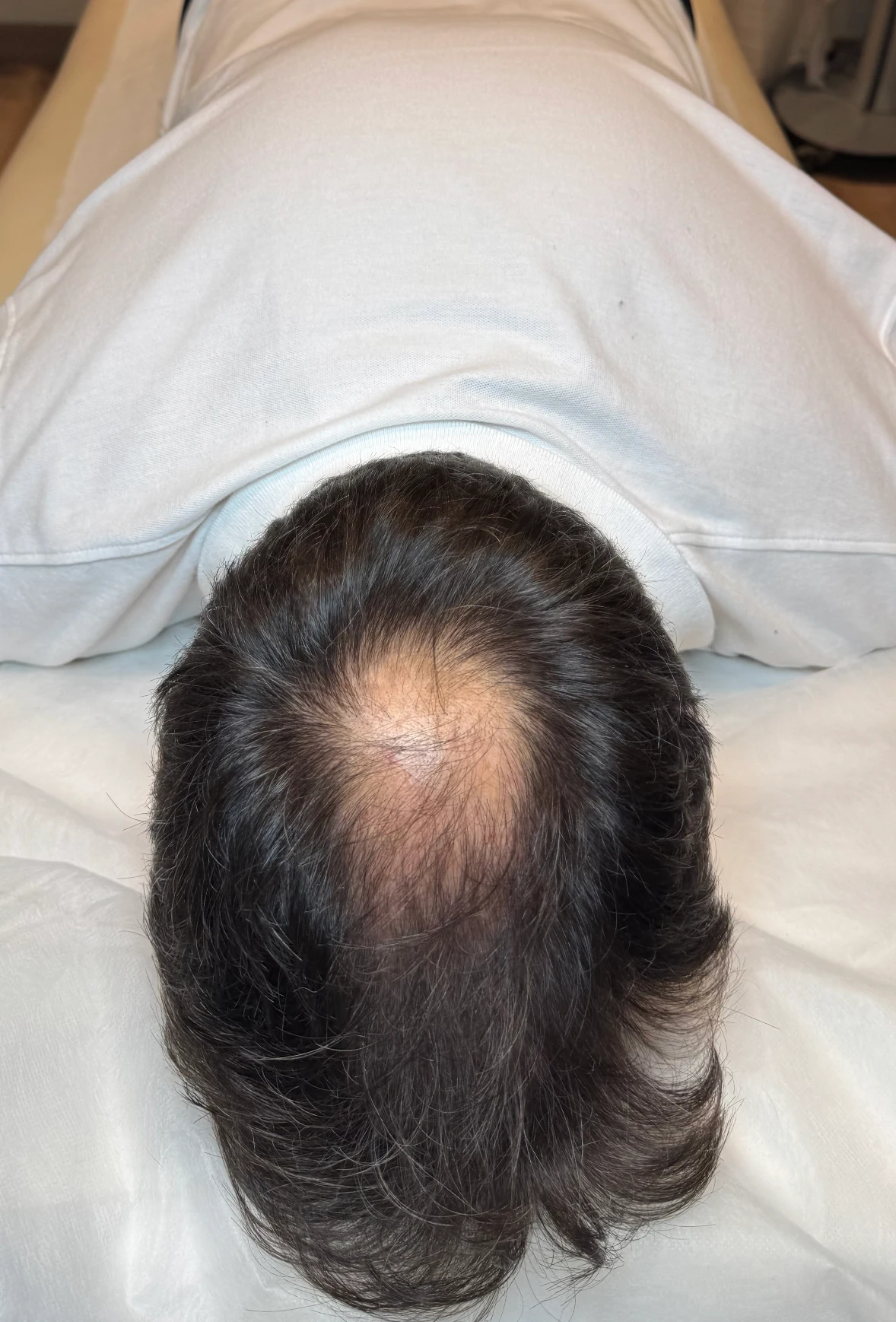
Density treatment in one of the areas where the scalp is often most exposed to light.
Crown micropigmentation →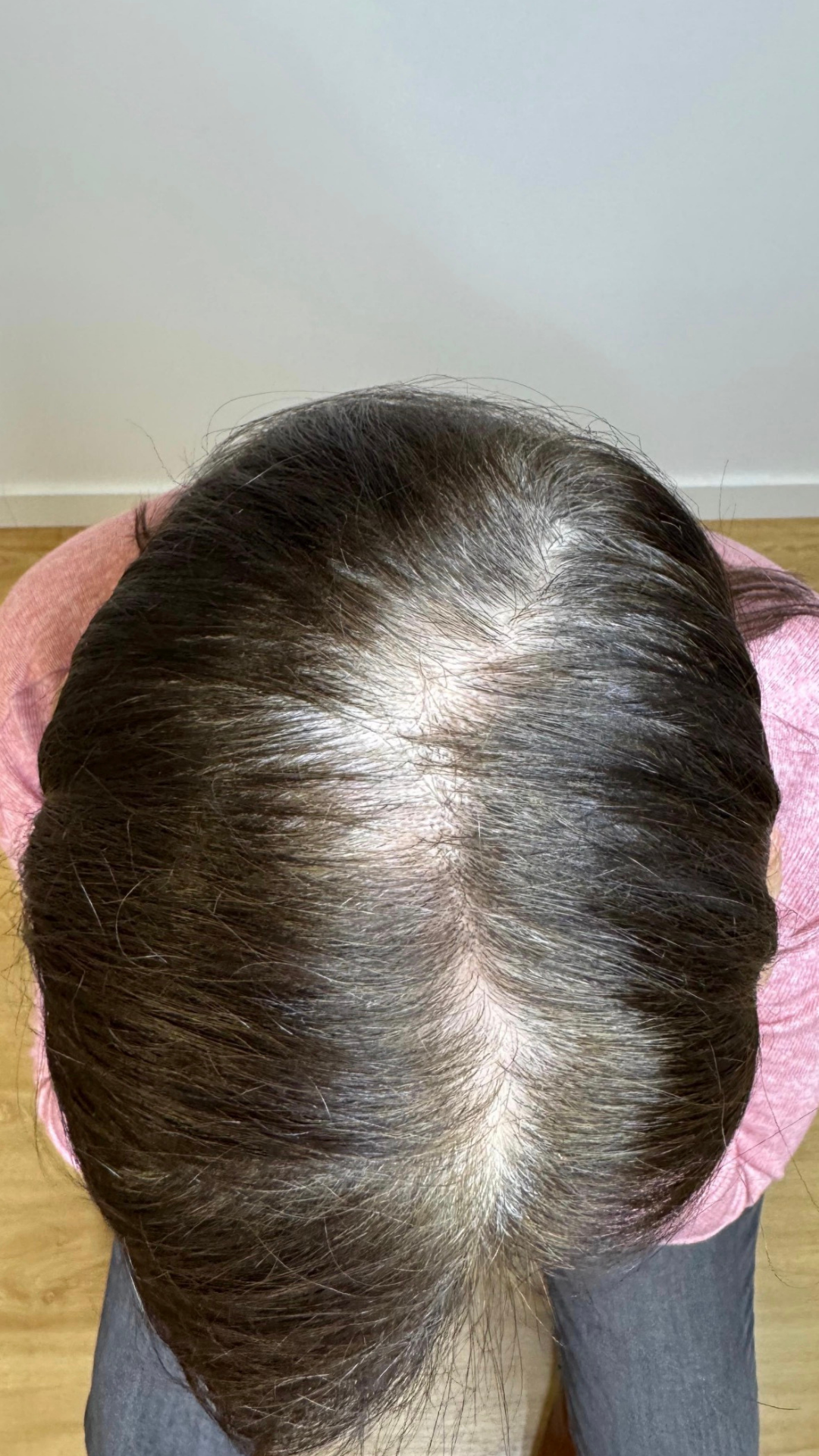
When there are receding areas or a more open frontal zone, micropigmentation can visually reinforce the hairline and reduce contrast without creating an artificial line.
View hairline cases →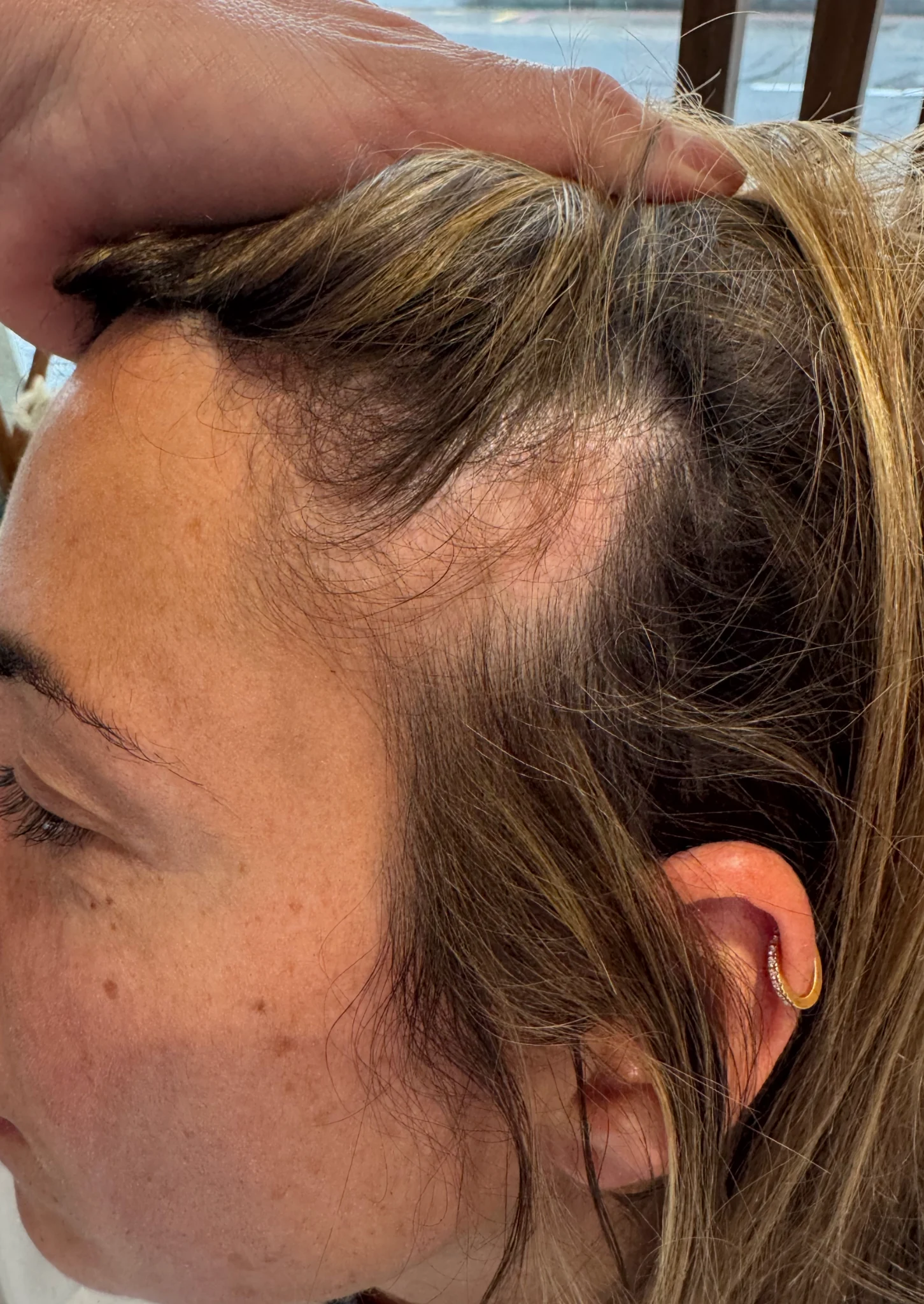
In previously assessed cases, micropigmentation can reduce the contrast of a localised temporal area and help it blend visually with the existing hair.
View real case →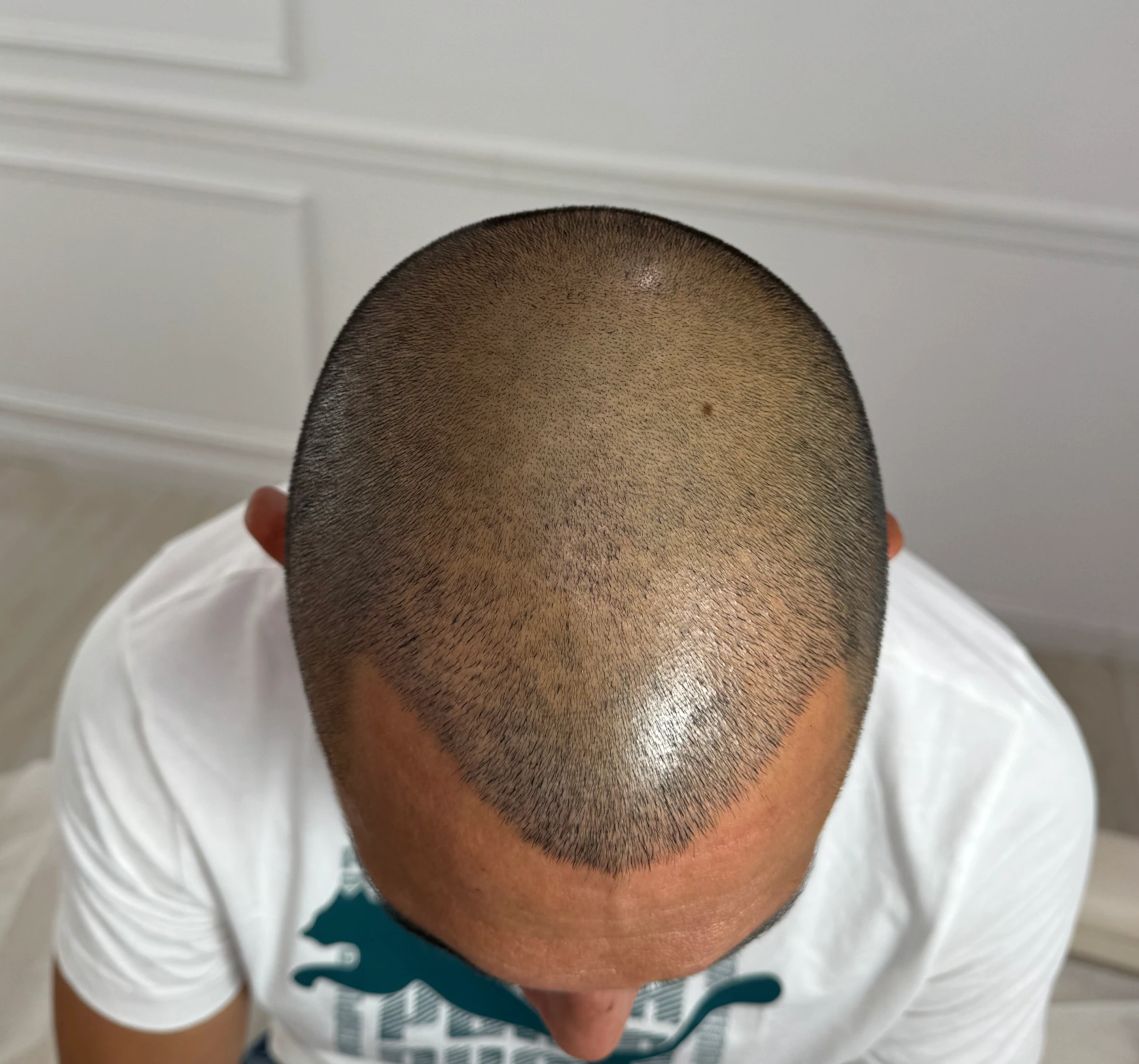
It can visually complement a transplant when differences in density remain or the scalp is still visible.
Transplant + SMP →The technique
Scalp micropigmentation — also known as SMP or scalp micropigmentation— is a non-surgical aesthetic technique that uses tiny pigment dots on the scalp to visually recreate the appearance of hair follicles and change how areas of hair loss are perceived.
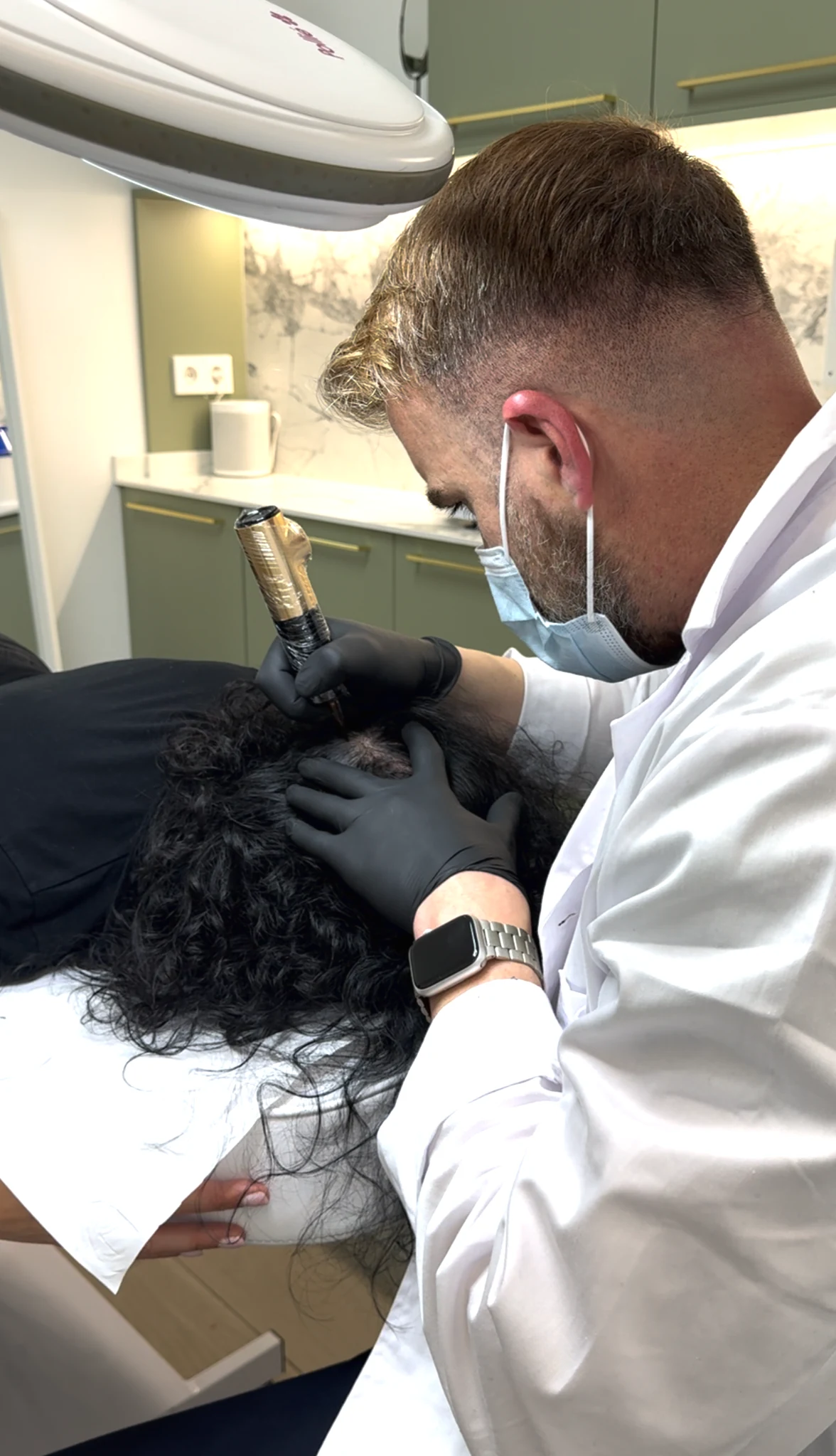
It does not generate new hair or physically increase the number of follicles. Its effect is visual: it can reduce the contrast between hair and scalp when hair is still present, or recreate the appearance of freshly shaved hair when the loss is more extensive.
The key is not simply to create dots. For the result to blend naturally, it is necessary to adapt tone, dot size, intensity, distribution and density to the real hair, skin, treated area and each person's goal.
The pigment dots are distributed between existing hairs to visually darken the background and reduce the difference in tone between skin and hair. This can make the scalp less visible and the coverage appear more even.
How the density effect works →The appearance of thousands of follicles from very short hair is visually recreated. Hairline design, transitions and controlled irregularity are essential to avoid an artificial finish.
How the shaved effect works →Method
The result is built progressively. I do not try to saturate the scalp in the first session; I prefer to see how the skin responds and increase density in a controlled way.
I assess the actual hair loss, existing hair, scalp, treatment area, background and goal. In density cases, a video parting the hair helps me evaluate the thinner areas more accurately.
We define the right approach: density, shaved effect, crown integration, scar camouflage or complementing a transplant. Tone, dot size and intensity are selected accordingly.
A conservative, even base is created. Avoiding excessive density at the start leaves room to adjust the result according to the actual pigment retention.
After the skin has evolved, the necessary areas are reinforced, contrasts are balanced and integration is refined. Treatment is usually planned over several sessions.
Realistic expectations
A good indication starts with understanding the possibilities and limitations. The aim is to achieve a credible visual improvement, not to promise a result the technique cannot deliver.
Specialist
My work focuses exclusively on scalp micropigmentation, with particular attention to natural appearance, dot size, tone selection and integration with real hair.
I treat every case individually because a crown, diffuse alopecia, a transplant scar or a shaved effect each require a different approach.
Discover how I work →Real results
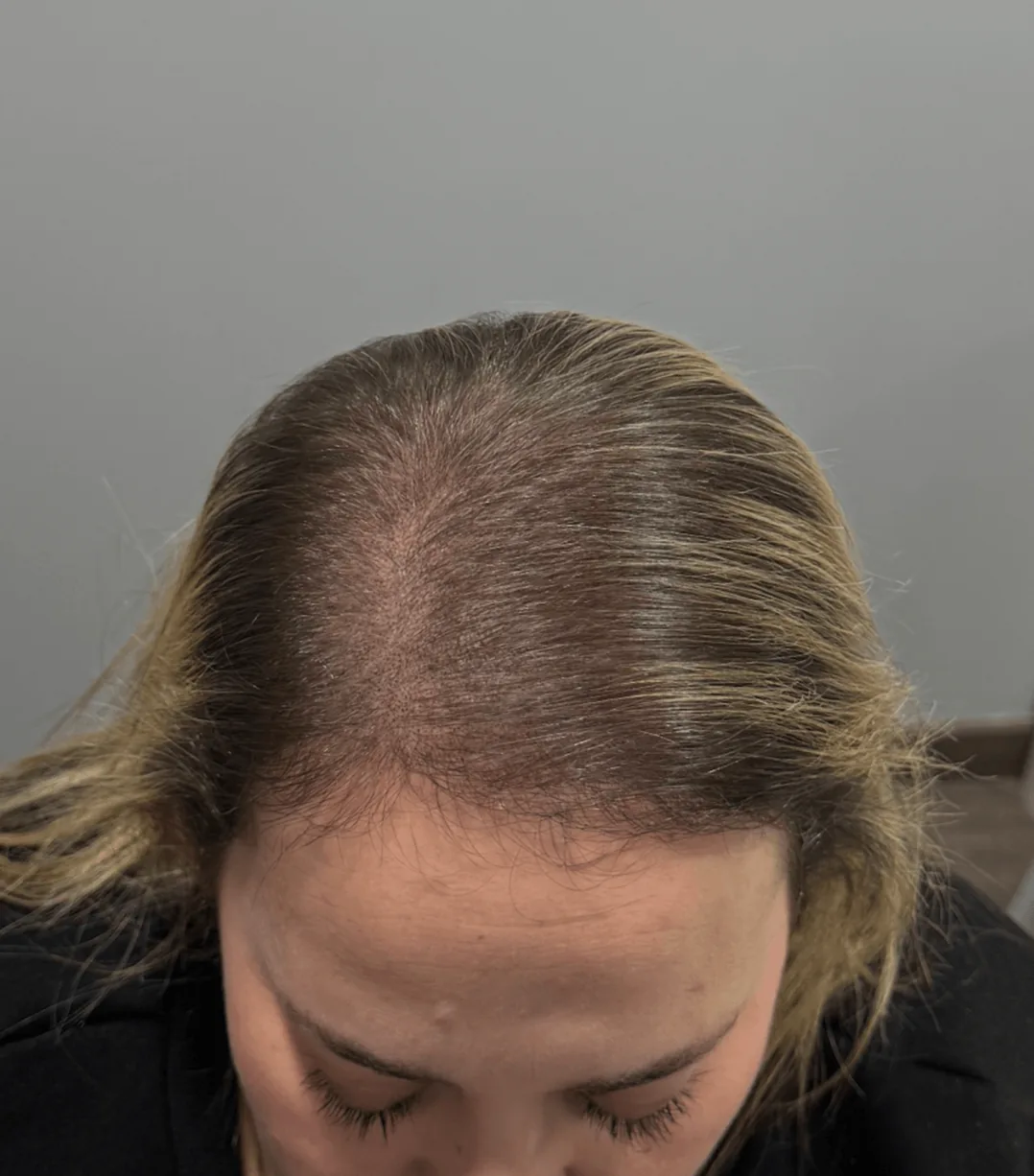
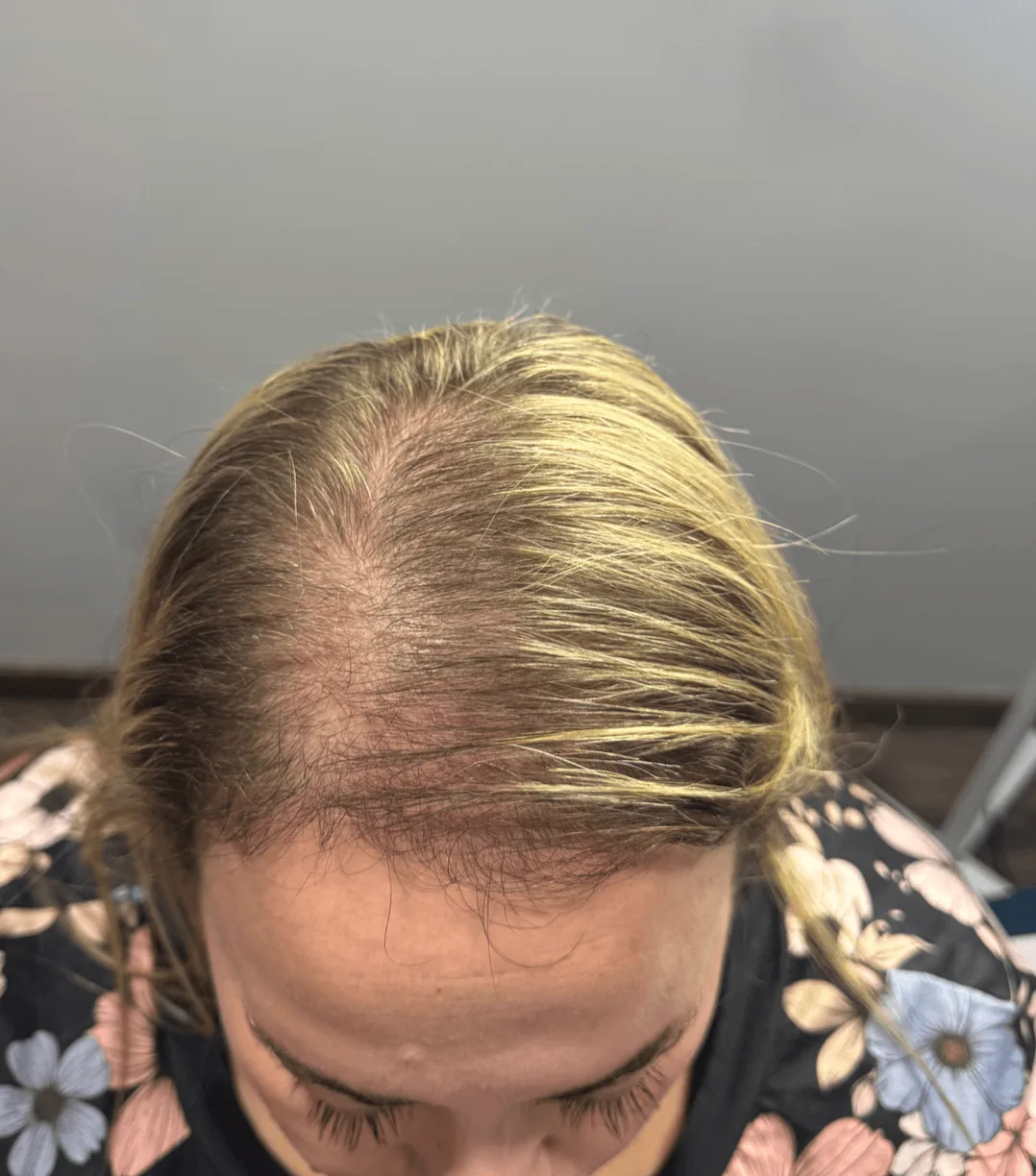
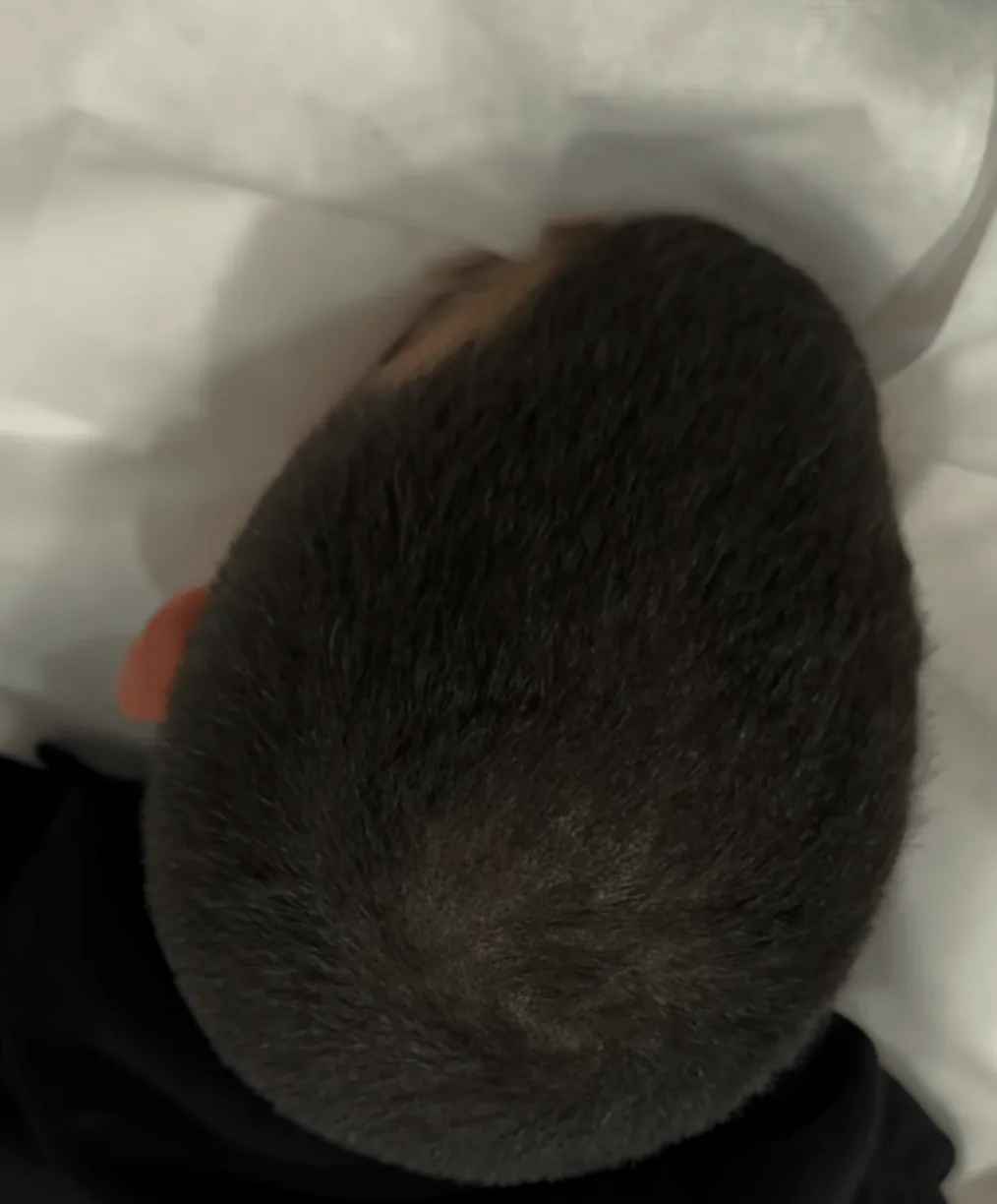
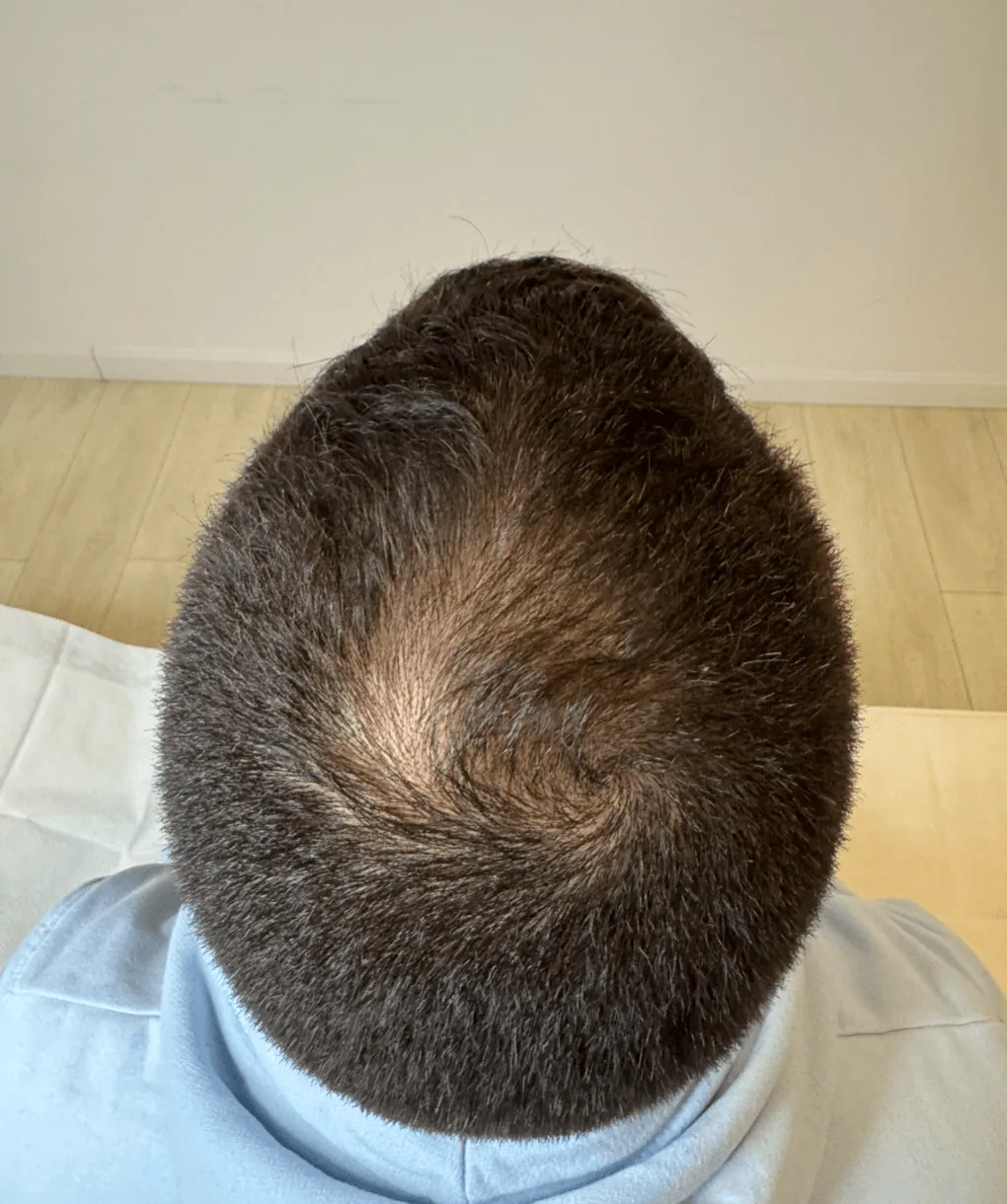
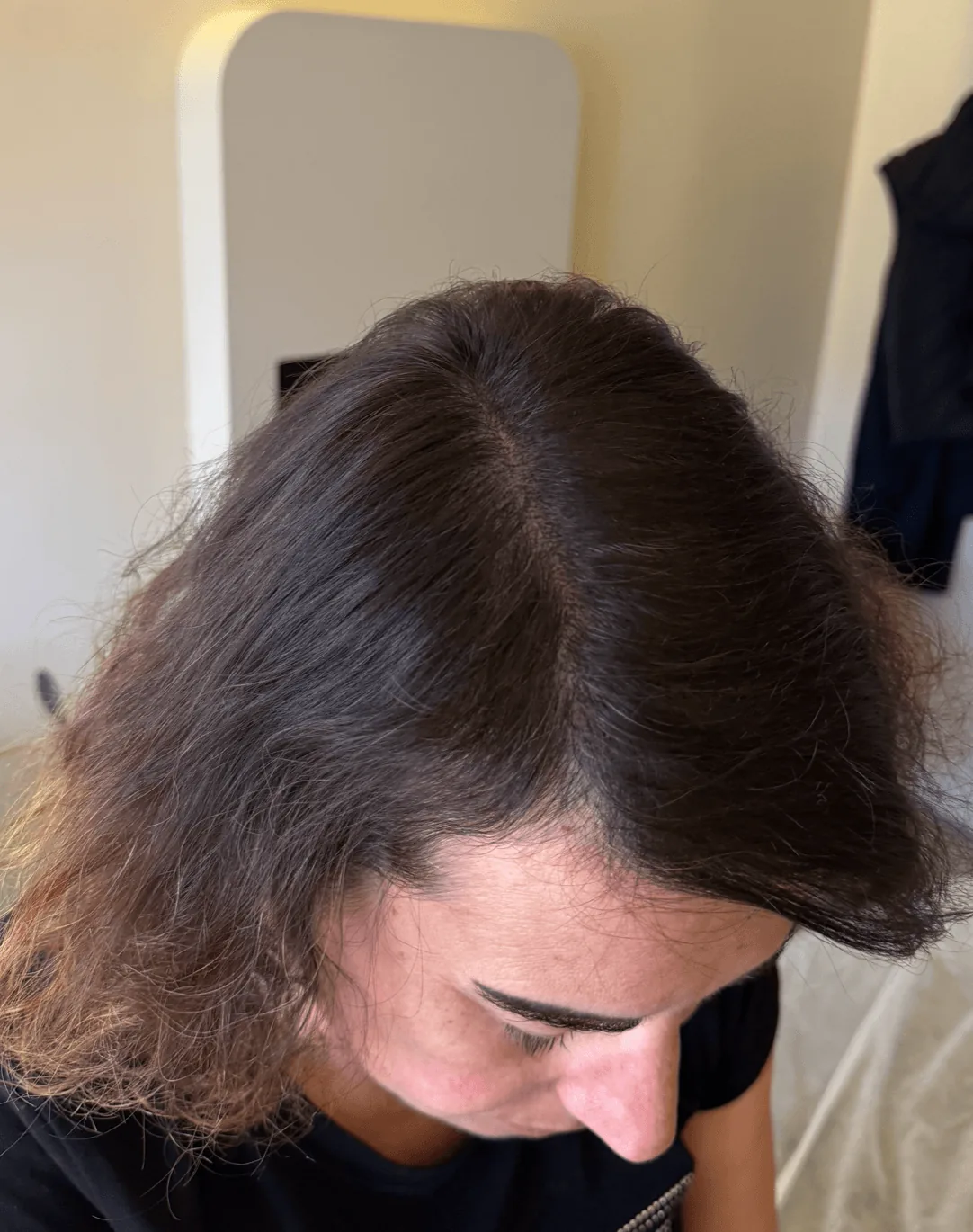
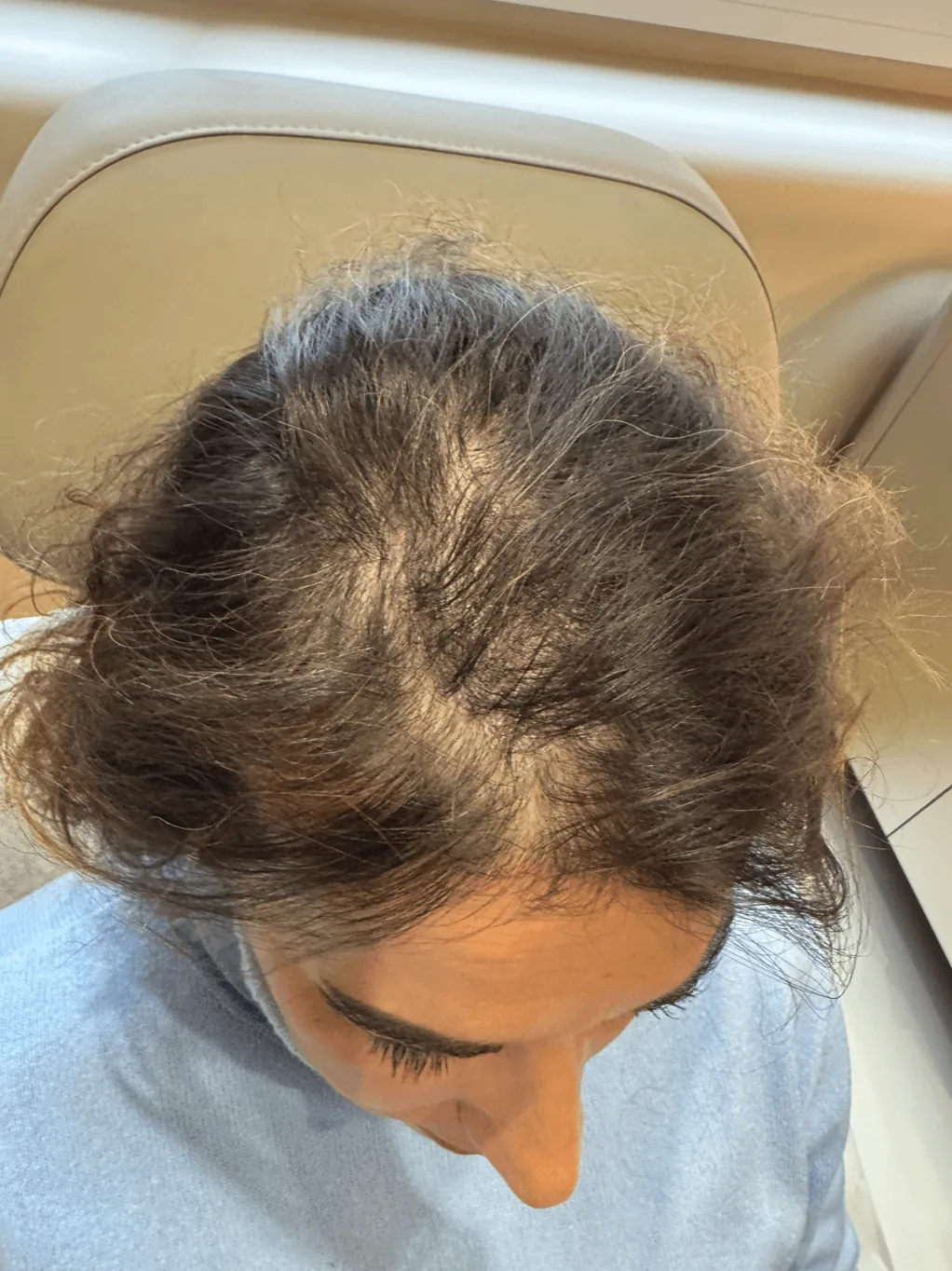
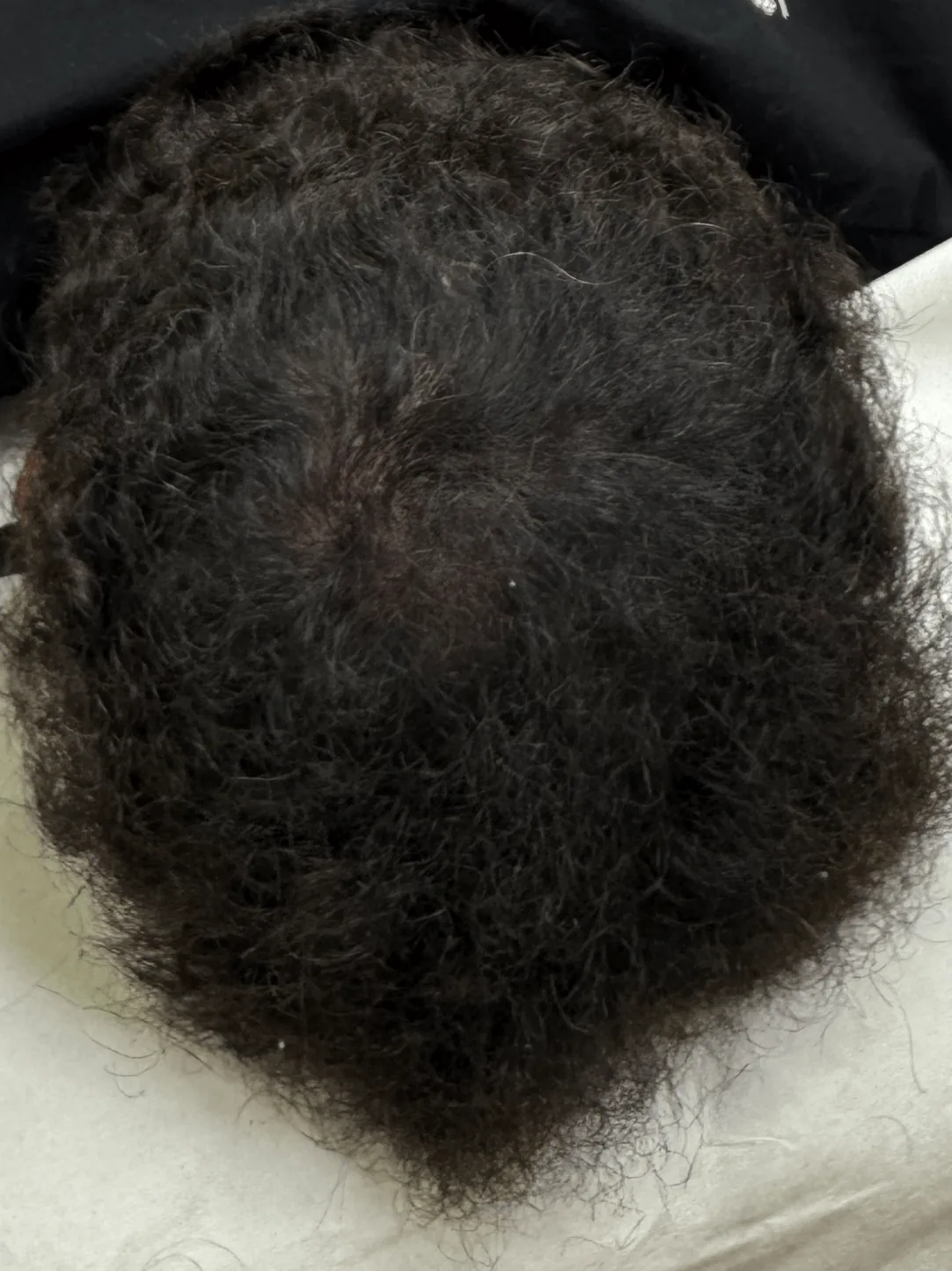
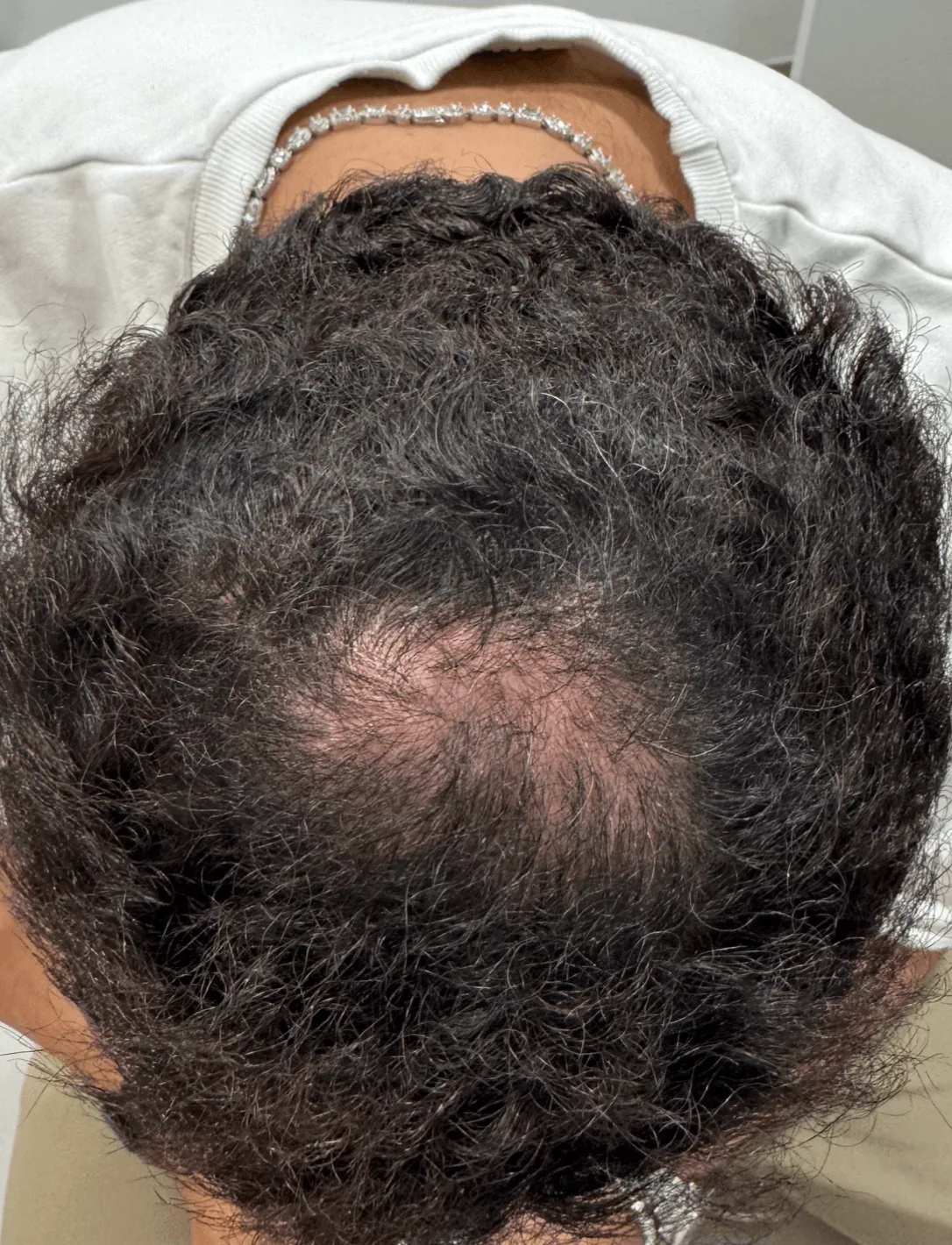
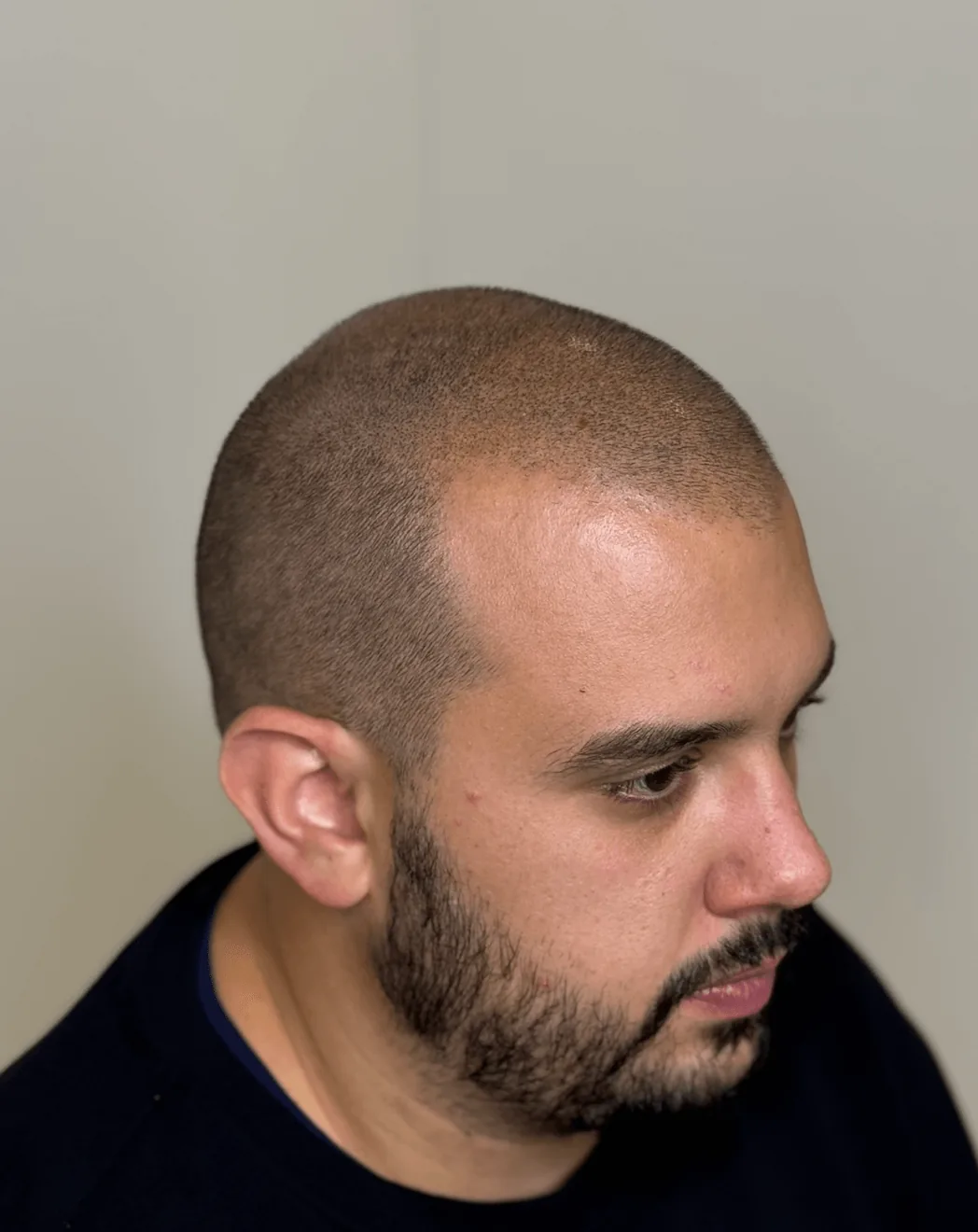
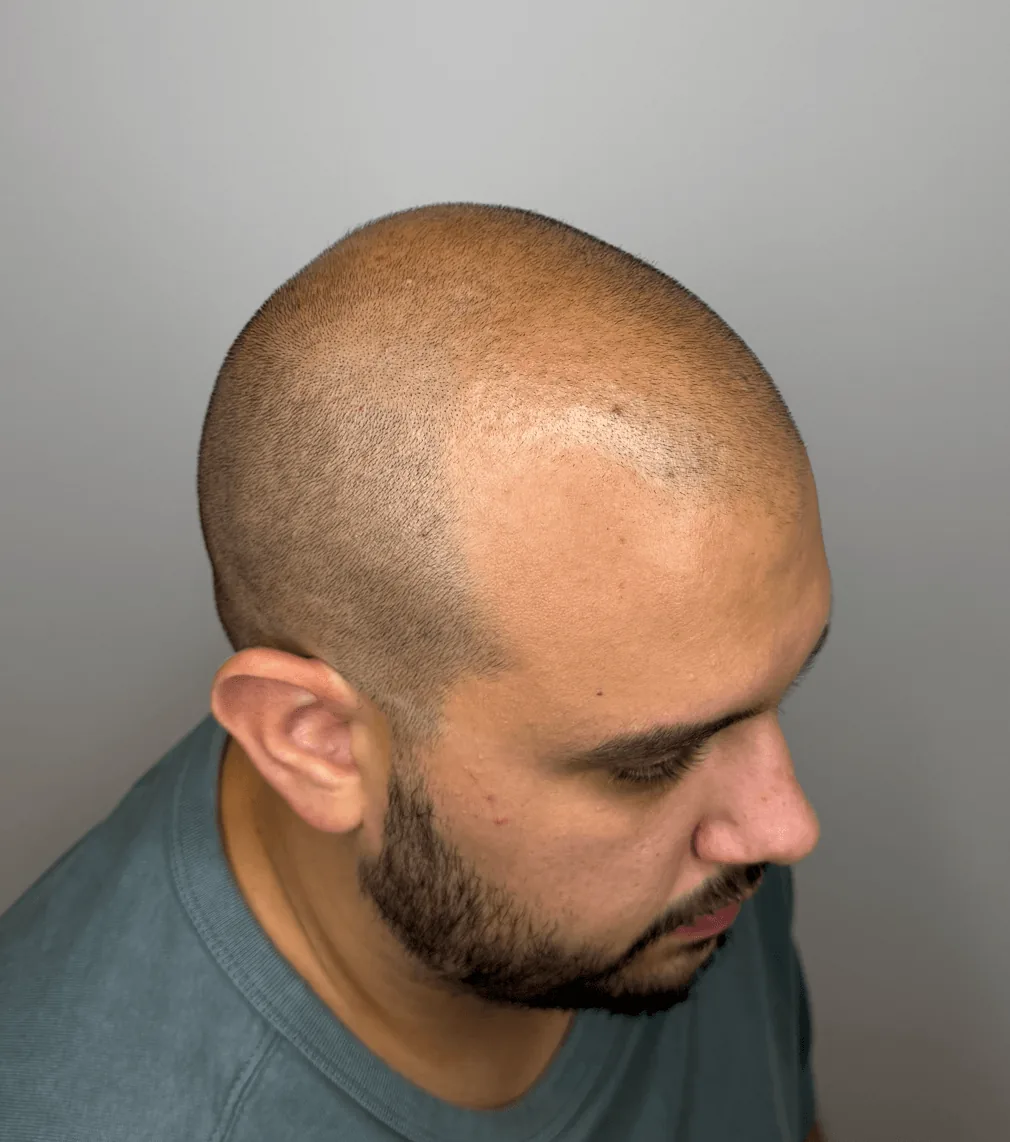
A selection of completed treatments. The images help show integration and visual change, but every skin type and hair-loss pattern responds differently.
Frequently asked questions
Treatment is carried out over several sessions to build the result progressively. The exact number depends on the size of the area, skin type, pigment retention and final goal.
Yes. In suitable cases, treatment can be performed between existing hairs to reduce the contrast between hair and scalp. It does not increase the number of hairs; it creates the optical effect of greater density.
It can be. In selected cases it can serve as a visual complement when the scalp remains visible or there are differences between areas.
Duration varies according to skin type, sun exposure, habits and individual response. Over time, the pigment gradually fades and maintenance may be required.
Personalised assessment
You can send well-lit photos from the front, sides, top, crown and back. If you still have a good amount of hair, a video parting it helps me assess the scalp and the actual density loss.